Set the vision · Create a roadmap · Own the future
Women's Health 2040
The Nordic Charter is published. This is what it is doing this week.
136+
Researchers, clinicians, policymakers, patient representatives, and innovation leaders who participated in the participatory strategic foresight process across Denmark, Finland, Iceland, Norway, and Sweden that produced the Charter. Methodology peer-reviewed in The Lancet Obstetrics, Gynaecology & Women’s Health (January 2026).
5
Denmark, Finland, Iceland, Norway, and Sweden. The Charter is an open commons framework for pan-Nordic coordination; national and regional actors within each country adopt activities within their own mandates.
USD 30–50B
Annual Nordic GDP opportunity by 2040 from closing the women’s health gap — combining productivity gains, healthcare cost reductions, and women’s health innovation market capture. Directional estimate. See methodology for sources and provenance.
The Implementation Playbook names twenty-eight specific infrastructure needs across Research, Care, Innovation, and the Awareness Foundation. Each maps to existing Nordic and European initiatives, with cross-references to the activities the named need depends on or strengthens. Open the navigator to browse them.
About the Initiative
By 2040, we envision women's health that is anticipatory, data-driven and woven into everyday wellbeing, where health is a birthright, not a benefit.
Shaped by 136+ contributors across five Nordic countries, the Nordic Charter for Women's Health 2040 sets out this vision. The method behind it is published in The Lancet Obstetrics, Gynaecology, & Women’s Health (opens in a new tab). The Implementation Playbook, developed with the Copenhagen Institute for Futures Studies, translates it into 28 needs institutions can address on their own terms. Both are open commons under CC BY 4.0.
How It Was Built
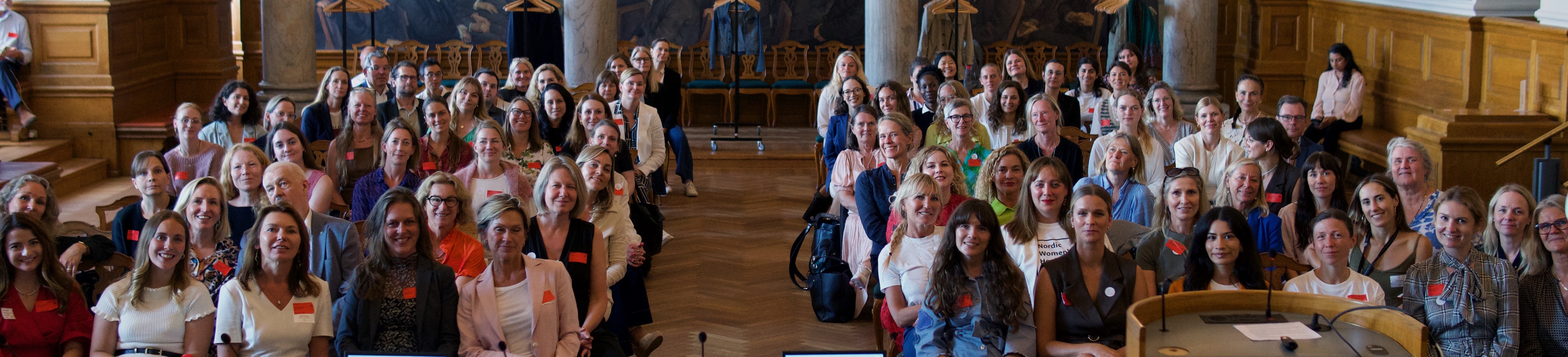
The Charter initiative was co-led by Julia Persson and Jeanette Kæseler Mortensen, with participatory foresight methodology developed in collaboration with the Copenhagen Institute for Futures Studies and Nordic Women's Health Hub. Over 136 contributors from healthcare, research, policy, and innovation across Denmark, Finland, Iceland, Norway, and Sweden shaped the framework.
The Charter was co-created at the Danish Parliament in September and launched in December 2025 at the Embassy of Finland in Copenhagen, co-hosted by the Nordic Council of Ministers. Read the full authorship and contributor list
From Charter to Action
The Implementation Playbook was published on 28 May 2026, on the International Day of Action for Women's Health — mapping Charter activities to existing Nordic and European initiatives. Published as an open commons (CC BY 4.0) in partnership with the Copenhagen Institute for Futures Studies. Ambassadors across the Nordics are carrying the framework into their institutions and networks.
The Women's Health 2040 Framework
Three operational domains. Four infrastructure pillars. One cultural foundation. Independently validated by five expert groups.
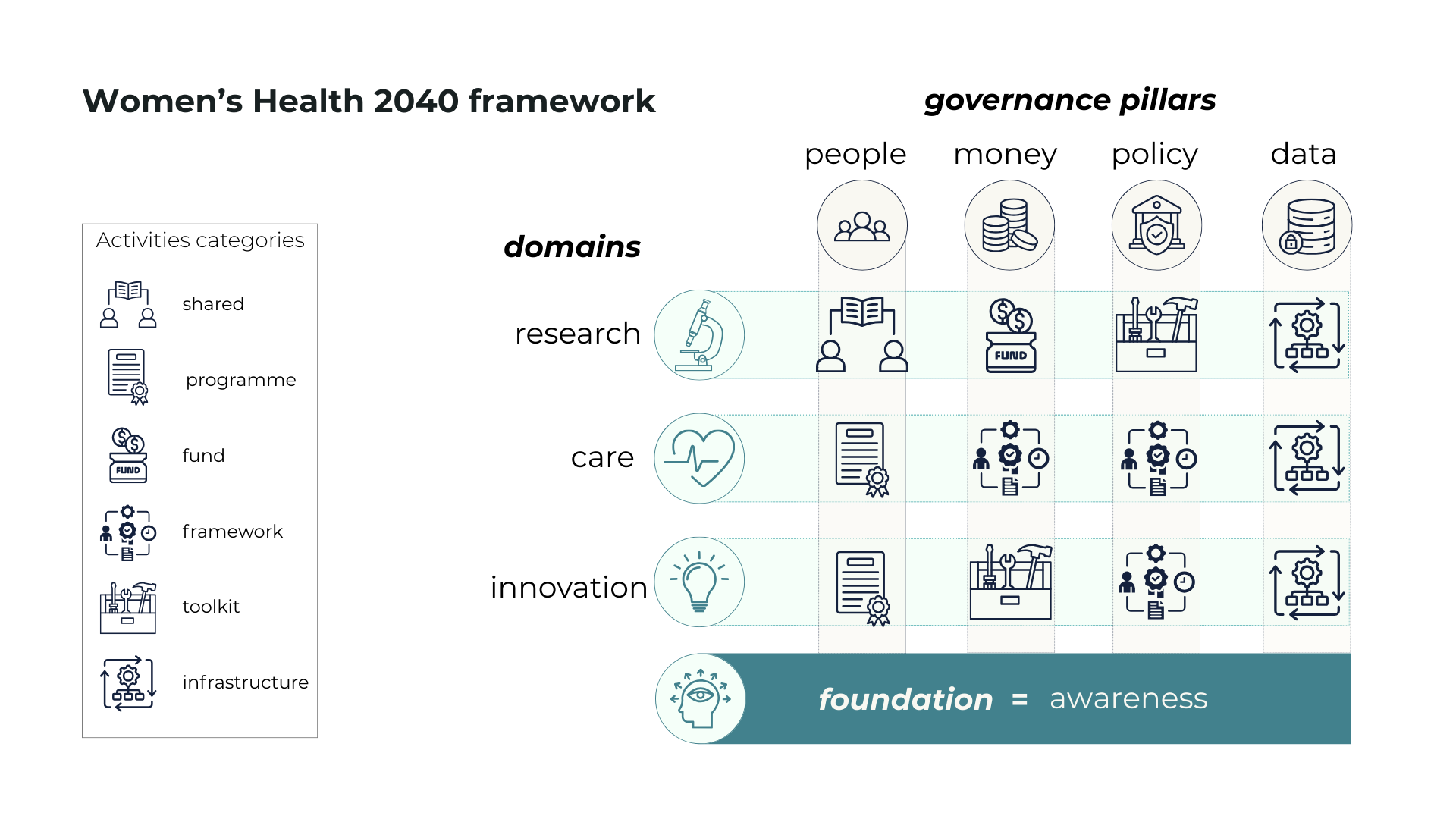
See the 28 named needs populating this framework in the Playbook Navigator
Founding Architect
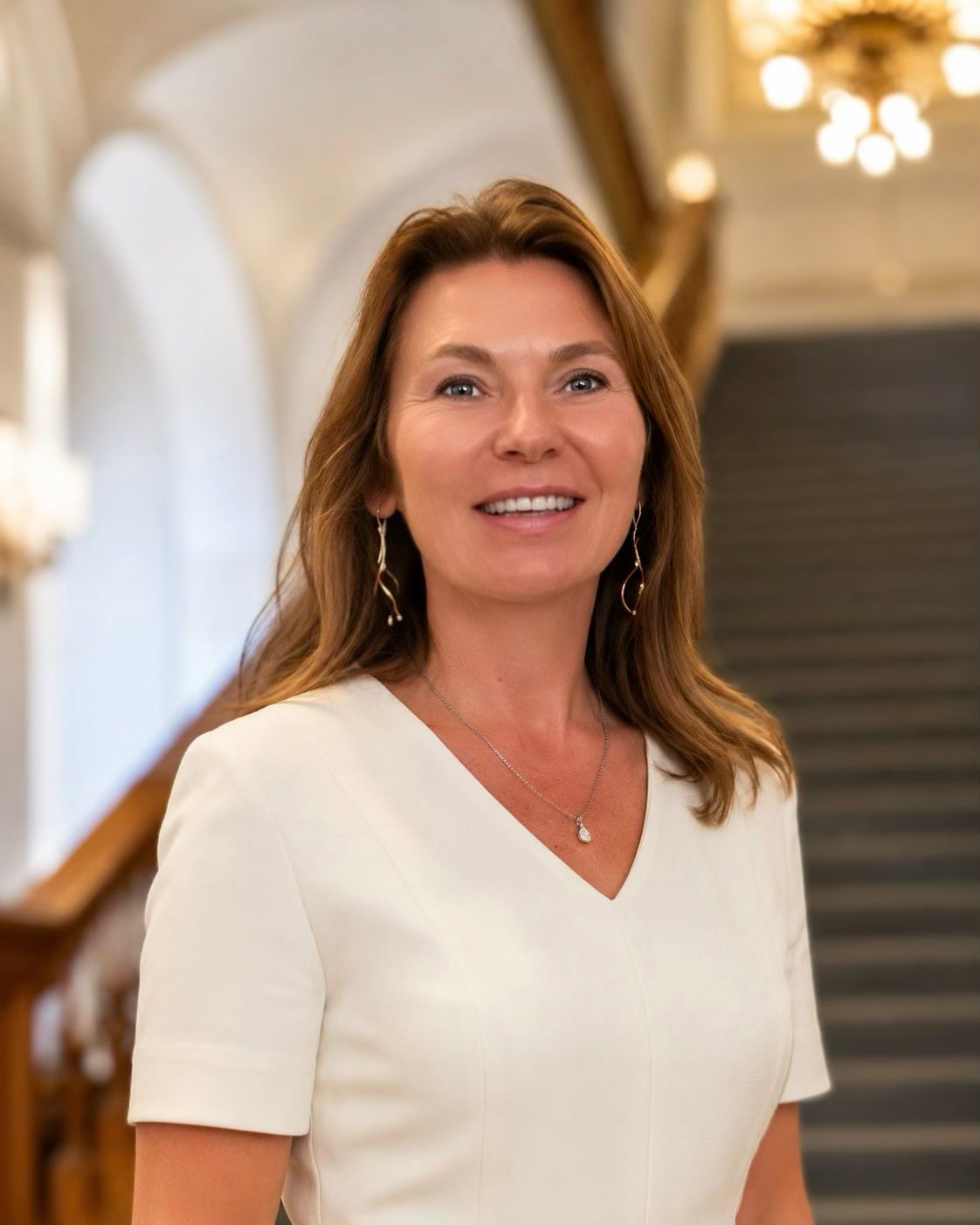
Julia Persson
Founder and CEO of Scita Health, a Danish precision prevention platform for women navigating perimenopause and menopause, and a participating organisation in the WHO/Europe Public Health Innovation Platform. Serves on the EU advisory board for myHealth@myHands. 20+ years of digital transformation experience at Accenture, Swedbank, AWS, and Maersk.
Founding Ambassadors
Five leaders who shaped and champion the Charter across the Nordic region.

Aura Pyykönen
Independent
🇫🇮 Finland
Christina Lloyd
Care & Communication
🇸🇪 Sweden
Daria Krivonos
Copenhagen Institute for Futures Studies
🇩🇰 Denmark
Hilde Færevik
Innovasjon Norge
🇳🇴 Norway
Kristina Gemzell Danielsson
Karolinska Institutet
🇸🇪 Sweden







Peer-Reviewed Research
Published in The Lancet
The Nordic Charter for Women’s Health 2040: vision-led architecture for women’s health
Julia Persson · Kristina Gemzell Danielsson · Daria Krivonos
The Lancet Obstetrics, Gynaecology, & Women’s Health